InFlight Power Home

Category

Technology & Infrastructure

22 articles

Liability at 30,000 Volts: The Contractual Vacuum Behind Seat Power Failures

Liability at 30,000 Volts: The Contractual Vacuum Behind Seat Power Failures

When a leased aircraft's in-seat power fails mid-flight, responsibility is scattered across lessors, MROs, hardware vendors, and the airline itself — and no standard governs how it is divided. The connected cabin era needs service-level agreements built for power reliability, before disputes force the issue.

Flying Blind on Power: The Case for Real-Time Electrical Load Visibility Across Commercial Aircraft Cabins

Flying Blind on Power: The Case for Real-Time Electrical Load Visibility Across Commercial Aircraft Cabins

Most commercial aircraft operators have no meaningful real-time visibility into how electrical load is distributed across their cabin systems. The result is a pattern of over-specification, cascading failures, and missed efficiency opportunities that costs the industry far more than it recognizes. Emerging monitoring technologies are beginning to change the equation — but adoption remains far too slow for the scale of the problem.

Grounded by Paperwork: How FAA Certification Timelines Are Holding Next-Generation Cabin Power Hostage

Grounded by Paperwork: How FAA Certification Timelines Are Holding Next-Generation Cabin Power Hostage

Innovative power and connectivity systems are arriving at aviation's doorstep faster than the regulatory framework can process them. For US airlines, the gap between technological readiness and FAA approval has become a strategic liability, forcing carriers to fly with yesterday's infrastructure while competitors in less-constrained markets accelerate ahead. This article examines the structural causes of certification delays and what the industry is doing — and should be doing — to close the gap

Solid Promises, Uncertain Cells: The High-Stakes Bet Airlines Are Placing on Next-Generation Battery Technology

Solid Promises, Uncertain Cells: The High-Stakes Bet Airlines Are Placing on Next-Generation Battery Technology

Airlines across the United States are committing to fleet-wide battery upgrades before the technology has fully matured, drawn by manufacturer promises and competitive pressure rather than proven operational data. The regulatory landscape surrounding advanced lithium architectures remains incomplete, and the consequences of a mid-lifecycle failure are only beginning to be understood. This investigation examines what operators stand to gain—and what they risk losing—when bleeding-edge chemistry m

The Invisible Burn: Quantifying the Fuel and Emissions Cost of Powered Aircraft Sitting Idle at US Gates

The Invisible Burn: Quantifying the Fuel and Emissions Cost of Powered Aircraft Sitting Idle at US Gates

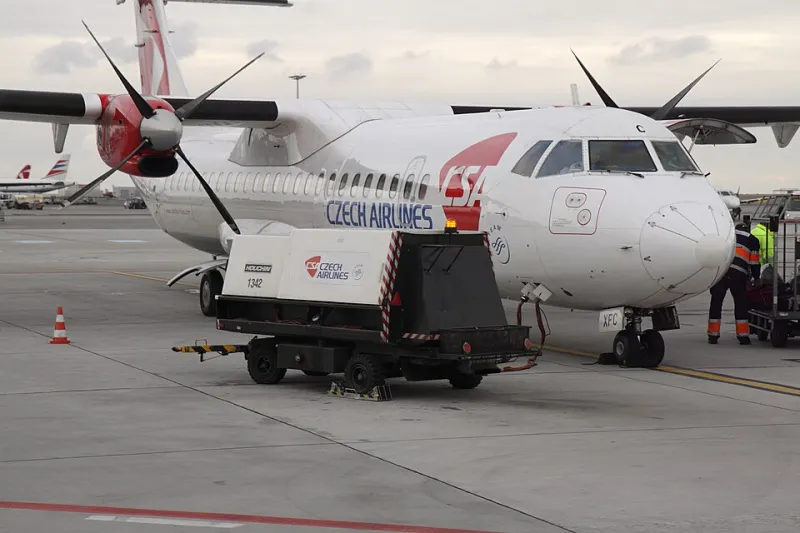
Every hour a commercial aircraft sits at the gate drawing power from diesel-burning ground support equipment represents a financial and environmental liability that rarely appears on any single department's budget. Across the United States, sparse airport infrastructure for sustainable ground power has left operators defaulting to the most carbon-intensive and cost-inefficient option available. The carriers beginning to close this gap are discovering that idle-power management is one of the high

Connector Crossroads: Navigating the Fragmented Landscape of Cabin Charging Standards Before It Costs You

Connector Crossroads: Navigating the Fragmented Landscape of Cabin Charging Standards Before It Costs You

Airlines investing in cabin power modernization face a decision that extends well beyond seat selection or wiring upgrades: which charging standard to build around. With USB-C, proprietary fast-charging protocols, and emerging aviation-specific specifications all competing for adoption, the risk of backing the wrong technology is real—and the consequences for passenger experience and operational cost can persist for a decade or more. Understanding the standards landscape is now a prerequisite fo

Stored Energy, Smarter Skies: How Onboard Battery Systems Could Redefine Aircraft Power Management

Stored Energy, Smarter Skies: How Onboard Battery Systems Could Redefine Aircraft Power Management

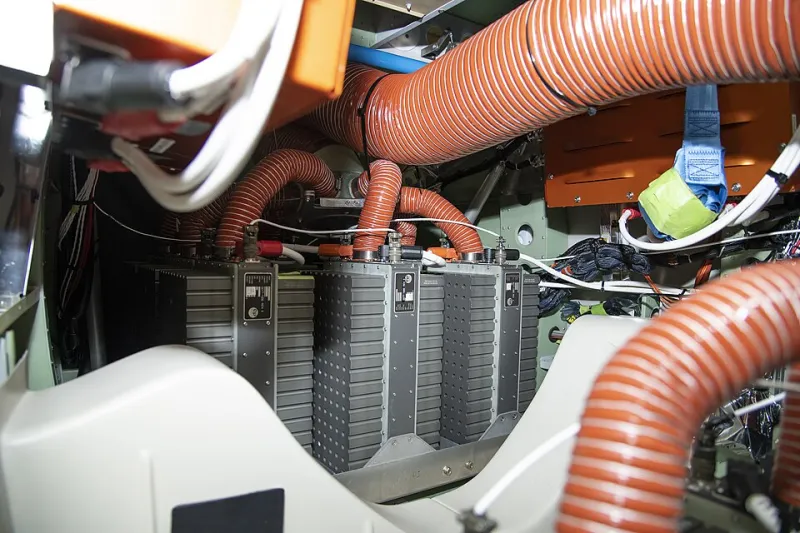
As airlines face mounting pressure to reduce fuel burn and manage increasingly complex electrical demands, onboard battery and energy storage systems are emerging as a credible—if underexplored—solution. From peak-shaving during taxi operations to supporting the electrification ambitions of next-generation aircraft, energy storage represents an infrastructure gap that most US carriers have yet to seriously confront. This analysis examines where the technology stands today, what certification bar

Ground-Level Power Crisis: How APUs Are Failing to Keep Pace With the Modern Connected Cabin

Ground-Level Power Crisis: How APUs Are Failing to Keep Pace With the Modern Connected Cabin

As in-flight entertainment systems, satellite Wi-Fi hardware, and passenger device charging demands multiply, aircraft auxiliary power units are increasingly unable to meet peak electrical loads during ground operations. Airlines now face a difficult calculus between passenger comfort, fuel burn, and infrastructure investment. Emerging solutions — from ground power units to onboard battery storage — are beginning to reshape how operators think about pre-departure power strategy.

When Atmosphere Becomes Adversary: The Regulatory and Financial Exposure Hidden in Aircraft Power System Design

When Atmosphere Becomes Adversary: The Regulatory and Financial Exposure Hidden in Aircraft Power System Design

Atmospheric electrical events expose far more than wiring — they reveal structural gaps in how airlines have approached surge protection, regulatory compliance, and risk transfer across aging fleets. As FAA guidance on electrical system resilience grows more prescriptive, operators face mounting pressure to reconcile the cost of upgrading power architecture against the financial and legal consequences of failing to act. Industry experts warn that the liability calculus is shifting.

Standby and Draining: The Hidden Cost of Idle Power Consumption Across Parked Fleets

When an aircraft sits at the gate between flights, operators often assume the electrical demands are minimal. In reality, a constellation of auxiliary systems, connectivity hardware, and legacy monitoring equipment continues drawing current around the clock—quietly depleting batteries and inflating ground power costs. Understanding and auditing these parasitic loads has become a pressing operational priority for US carriers managing large, aging fleets.

When the Sky Fights Back: Electrical Surge Vulnerability in Aircraft Power Systems and the Path to Greater Resilience

Thunderstorms and atmospheric electrical phenomena pose a persistent threat to the increasingly complex power distribution systems aboard modern commercial aircraft. While airframes are certified to withstand direct lightning strikes, the cascading effects of electrical transients on cabin technology, avionics, and connectivity infrastructure represent a more nuanced and growing vulnerability—one that is particularly acute in older aircraft operating alongside newer platforms with significantly

When Every Seat Draws Power: The Cumulative Electrical Load Crisis Hiding Inside the Modern Cabin

When Every Seat Draws Power: The Cumulative Electrical Load Crisis Hiding Inside the Modern Cabin

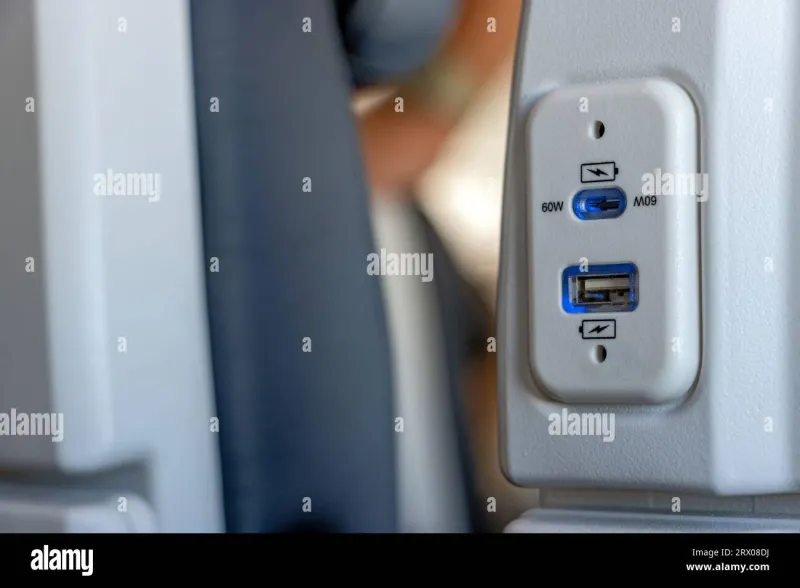
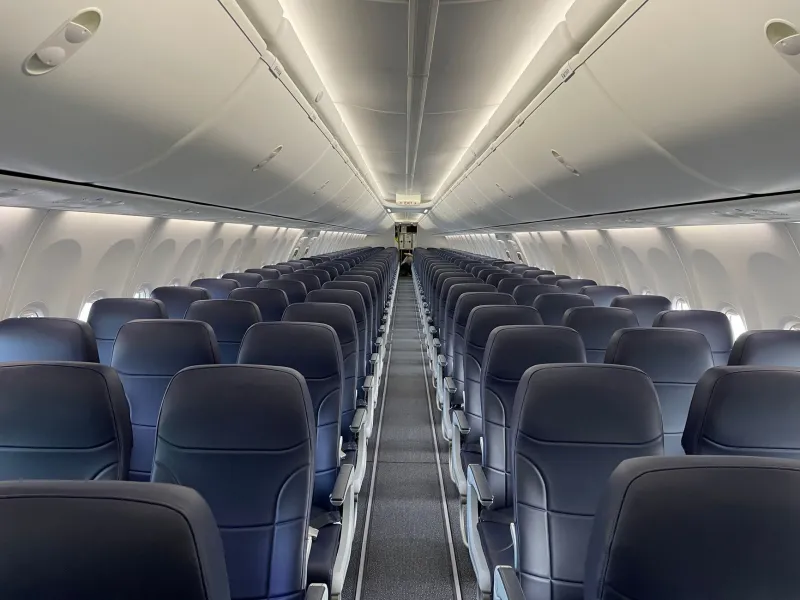
Airlines have spent billions upgrading seatback screens, wireless streaming servers, and USB charging ports — but few have stress-tested what happens when every passenger uses all of it simultaneously. The cumulative electrical draw of the fully connected cabin is exposing dangerous gaps in legacy load management assumptions, and the consequences are already showing up on specific aircraft types in measurable, costly ways.

Before the Wheels Leave the Ground: How Gate-Side Power Quality Is Quietly Undermining Cabin Technology Performance

Before the Wheels Leave the Ground: How Gate-Side Power Quality Is Quietly Undermining Cabin Technology Performance

Airlines spend millions engineering robust airborne power systems, yet the ground power units waiting at US airport gates can silently compromise onboard electronics long before departure. Inconsistent GPU standards across major American airports represent an upstream liability that the industry has been slow to quantify. This analysis examines the scope of the problem and the emerging strategies airlines and airport operators are deploying to close the gap.

Voltage Drop at the Back of the Plane: How Aft Cabin Power Failures Are Quietly Draining Ancillary Revenue

Voltage Drop at the Back of the Plane: How Aft Cabin Power Failures Are Quietly Draining Ancillary Revenue

Airlines channeling capital into premium cabin upgrades may be overlooking a structural electrical problem that punishes economy passengers most severely: voltage drop across extended cabin wiring runs that leaves the last dozen rows chronically underserved. The physics of long-haul power distribution create a measurable 'power cliff' well before the tail, and carriers that ignore it are leaving quantifiable ancillary revenue on the table. This analysis examines the engineering roots of the prob

Voltage Wars at 35,000 Feet: How Premium Galley Technology Is Overwhelming Aircraft Power Architecture

Voltage Wars at 35,000 Feet: How Premium Galley Technology Is Overwhelming Aircraft Power Architecture

The relentless pursuit of premium cabin dining experiences is quietly pushing aircraft electrical systems to their limits. High-draw espresso machines, induction heating units, and advanced refrigeration are colliding with legacy power architectures never designed to accommodate them. Engineers and airline operators are now confronting a structural problem that no amount of incremental patching can fully resolve.

Deferral Is Not Free: The Compounding Liabilities Airlines Accumulate by Postponing Cabin Power Modernization

Deferral Is Not Free: The Compounding Liabilities Airlines Accumulate by Postponing Cabin Power Modernization

Finance teams that treat cabin power upgrades as deferrable line items are operating on a flawed assumption — that delay is a neutral act. A rigorous examination of maintenance economics, passenger attrition data, and competitive retrofit timelines reveals that postponement generates its own category of compounding cost, one that grows larger with every quarter of inaction.

Blueprint for the Connected Cabin: Why Power Infrastructure Decisions Made on the Ground Define Performance at Altitude

Blueprint for the Connected Cabin: Why Power Infrastructure Decisions Made on the Ground Define Performance at Altitude

Forward-thinking US carriers are learning a costly lesson: retrofitting power systems onto aging aircraft mid-lifecycle can dwarf the investment of designing for connectivity from day one. As MRO providers, OEMs, and electrical engineers increasingly collaborate during the earliest planning phases, a new design philosophy is taking hold across American aviation. This analysis examines the technical tradeoffs, regulatory complexities, and long-term financial logic of building power architecture f

Small Aircraft, Big Gaps: The Engineering Challenge of Bringing Power and Connectivity to America's Regional Jet Fleet

Small Aircraft, Big Gaps: The Engineering Challenge of Bringing Power and Connectivity to America's Regional Jet Fleet

Tens of millions of US passengers board regional jets each year, yet these aircraft remain the most underserved segment of the connected cabin revolution. Tight fuselage dimensions, weight-sensitive airframes, and compressed operating economics have kept regional carriers at the back of the technology queue — but purpose-built hardware and low-earth-orbit satellite networks are beginning to change that calculation.

Connected Cabin, Heavier Aircraft: How Airlines and Engineers Are Quantifying and Combating the Weight Penalty of In-Flight Technology

Connected Cabin, Heavier Aircraft: How Airlines and Engineers Are Quantifying and Combating the Weight Penalty of In-Flight Technology

The cumulative weight of modern in-flight entertainment and connectivity systems is quietly eroding fuel efficiency margins across US airline fleets, a consequence that is only now being systematically measured. Solid-state power controllers, power-over-ethernet architectures, and advanced lightweight cabling materials are emerging as the primary tools for pushing back against payload creep. This analysis examines the trade-offs that airline operations executives and avionics engineers must navi

Rewiring the Sky: How Modern Aircraft Electrical Systems Are Being Rebuilt to Power the Connected Cabin

Rewiring the Sky: How Modern Aircraft Electrical Systems Are Being Rebuilt to Power the Connected Cabin

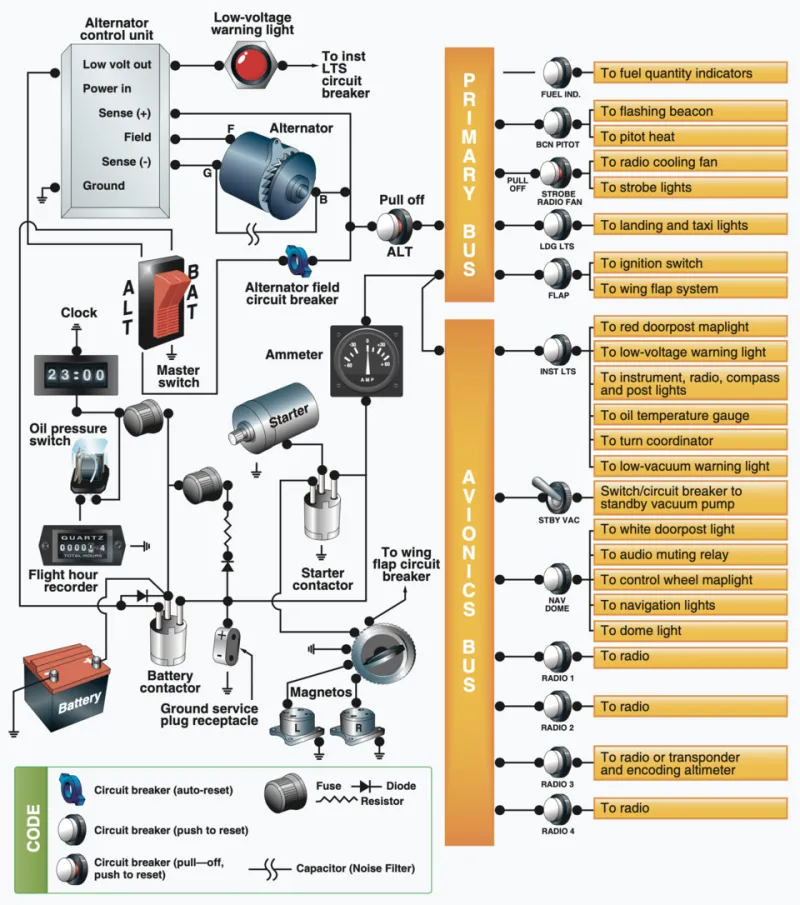
The surge in passenger demand for high-speed Wi-Fi, wireless charging, and 4K seatback entertainment is pushing traditional onboard electrical architectures to their limits. US carriers and aircraft OEMs are now investing heavily in next-generation power distribution systems to meet these expectations. This deep dive examines how the electrical backbone of commercial aircraft is being fundamentally reimagined.